
Introduction to Influencer Marketing
Influencer Marketing is one of the most popular digital marketing strategies used by businesses to promote their products and services through social media personalities and content creators.
Today, millions of people use platforms like Instagram, YouTube, Facebook, and TikTok to discover new brands, products, and services. Influencers create content that connects with their followers and can help businesses reach a wider audience.
For example, when a fashion influencer shares an Instagram Reel wearing a particular clothing brand, their followers may become interested in purchasing the same outfit.
Influencer Marketing helps businesses build trust, increase brand awareness, improve engagement, and attract potential customers.
In this blog, we will learn what Influencer Marketing is, how it works, its benefits, different types of influencers, and 10 powerful strategies to create successful campaigns.
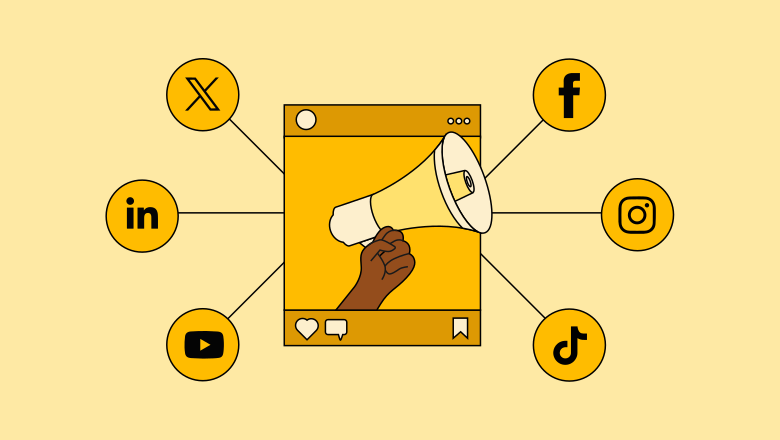
1. What Is Influencer Marketing?
Influencer Marketing is a digital marketing strategy in which businesses collaborate with social media influencers to promote their products, services, or brands.
An influencer is someone who has built an audience on social media through valuable, entertaining, educational, or informative content.
Influencers can affect the opinions and purchasing decisions of their followers because of the trust and connection they have developed with their audience.
Example:
A jewellery brand collaborates with a fashion influencer to promote its latest necklace collection. The influencer creates an Instagram Reel, wears the jewellery, and shares product details with followers.
This helps the brand introduce its products to new potential customers.
2. How Does Influencer Marketing Work?
Influencer Marketing works through collaboration between a brand and a content creator.
Here is how the process works:
- Set Your Goal: Decide whether you want brand awareness, website traffic, sales, or engagement.
- Find Influencers: Search for influencers whose content matches your brand.
- Check Their Audience: Understand their followers, engagement, and content quality.
- Contact Influencers: Discuss the campaign, payment, and collaboration details.
- Create Content: Plan Instagram Reels, stories, YouTube videos, or posts.
- Promote Your Brand: The influencer shares the agreed content with their audience.
- Measure Results: Track reach, engagement, clicks, leads, and sales.
A successful campaign requires clear communication and a relevant partnership between the brand and influencer.
3. Why Is Influencer Marketing Important for Businesses?
Influencer Marketing offers several benefits to businesses, especially those looking to build an online presence.
- Builds Brand Awareness: Introduces your business to new audiences.
- Creates Trust: Recommendations from relevant creators can help build customer confidence.
- Increases Engagement: Influencer content can encourage likes, comments, shares, and saves.
- Reaches Target Audiences: Helps businesses connect with people interested in specific products.
- Promotes Products: Influencers can demonstrate how products work.
- Supports Sales: Campaigns can encourage interested followers to visit your website and purchase products.
- Creates Quality Content: Brands can use influencer-created content according to agreed usage rights.
4. Different Types of Influencers
Influencers are commonly classified according to their follower count. However, audience quality, engagement, and relevance are also important.
Top 10 Nano-Influencers in India 2026
1. Nano Influencers
Usually 1,000–10,000 followers
Nano influencers have smaller communities and often build close relationships with their followers. They can be useful for local businesses and niche brands.
2. Micro Influencers
Usually 10,000–100,000 followers
Micro influencers often focus on specific topics such as fashion, beauty, fitness, or technology. They can help brands reach focused audiences.
Prajakta Koli: Mostly Sane Earns Rs 40 Lakhs From YouTube Monthly, Lawyer-Boyfriend, Net Worth, More
3. Macro Influencers
Usually 100,000–1 million followers
Macro influencers have larger audiences and can help businesses increase visibility across a wider market.
4 style influencers spill the beans on what’s in their jewellery box | Vogue India
4. Mega Influencers
Usually more than 1 million followers
Mega influencers include celebrities and highly popular creators. They can offer large-scale exposure, although collaborations may require bigger budgets.
Note: Follower ranges are commonly used categories, not fixed industry rules.
5. Top Social Media Platforms for Influencer Marketing
Different social media platforms offer different opportunities for influencer campaigns.
インスタグラムの15秒動画「リール」がショップ機能に対応、日本での提供開始
1. Instagram
Instagram is popular for fashion, beauty, lifestyle, food, and jewellery promotions. Influencers use Reels, Stories, and posts to showcase products.
How to Make a Product Video That Actually Converts – Reelup
2. YouTube
YouTube is useful for detailed product reviews, tutorials, unboxing videos, and educational content.
Facebook officialise sa plateforme de collaboration entre marques et influenceurs
3. Facebook
Facebook helps brands connect with communities through videos, posts, groups, and live sessions.
Marketing de influencia en LinkedIn
4. LinkedIn
LinkedIn is useful for B2B influencer marketing, professional services, business education, and industry experts.
6. 10 Powerful Influencer Marketing Strategies
To get better results from your campaigns, follow these effective strategies.
1. Define Your Marketing Goals
Before starting a campaign, decide what you want to achieve.
Your goals may include:
- Increasing brand awareness
- Generating website traffic
- Getting more followers
- Increasing product sales
- Improving social media engagement
Clear goals help you choose the right influencers and measure campaign performance.
2. Choose the Right Influencer
Do not select influencers only because they have a large number of followers.
Check their content quality, audience interests, engagement, and previous brand collaborations.
For example, a jewellery brand should collaborate with fashion, beauty, or lifestyle influencers whose followers may be interested in jewellery.
3. Understand Your Target Audience
Learn about your ideal customers before selecting an influencer.
Consider their age group, location, interests, lifestyle, and purchasing behaviour.
When an influencer’s audience matches your target customers, your campaign is more likely to reach relevant people.
4. Create Attractive Content
Content plays an important role in Influencer Marketing.
Encourage influencers to create engaging content such as:
- Instagram Reels
- Product review videos
- Unboxing videos
- Tutorials
- Instagram Stories
- Product photography
The content should feel natural, informative, and relevant to the audience.
5. Collaborate with Micro Influencers
Micro influencers can be a good option for small businesses because they often focus on specific communities and topics.
Instead of spending your entire budget on one large creator, consider working with multiple relevant micro influencers.
Compare their audience quality, engagement, and campaign costs before making a decision.
6. Use Instagram Reels and Short Videos
Short-form videos are useful for demonstrating products and attracting attention.
Ask influencers to create engaging Reels that show your product in action.
For example, a clothing brand can collaborate with a fashion creator to create a styling video featuring different outfits from its collection.
7. Offer Discount Codes and Special Deals
Give influencers unique discount codes or campaign links.
These can encourage followers to try your products and help you identify which influencer is generating sales.
For example, an influencer may share a code such as STYLE10 for a special customer discount.
8. Build Long-Term Relationships
One-time collaborations can create awareness, but long-term partnerships can help build stronger brand recognition.
Work with influencers who genuinely connect with your products and brand values.
Long-term relationships can also create more consistent and familiar content for their followers.
9. Track Campaign Performance
Always measure the results of your Influencer Marketing campaigns.
Important metrics include:
| Metric | Meaning |
|---|---|
| Reach | Number of unique accounts that see content |
| Impressions | Total number of times content is displayed |
| Likes | Number of likes received |
| Comments | Number of comments received |
| Shares | Number of times content is shared |
| Clicks | Number of users clicking campaign links |
| Conversions | Desired actions completed by users |
| ROI | Return compared with campaign investment |
Use tracking links, discount codes, and analytics reports to understand campaign performance.
10. Follow Advertising Disclosure Rules
Transparency is important in influencer collaborations.
Influencers should clearly disclose paid partnerships, gifts, and other material connections with brands.
For campaigns in India, follow the applicable advertising guidelines from the Advertising Standards Council of India (ASCI), including its influencer advertising disclosure requirements.
7. Best Tools for Influencer Marketing
These tools can help businesses discover creators, manage campaigns, and measure results.
| Tool | Purpose |
|---|---|
| Instagram Insights | Understand account and content performance |
| YouTube Analytics | Measure video performance and audience activity |
| HypeAuditor | Research influencer audiences and authenticity |
| Modash | Discover and analyse influencers |
| Canva | Design social media campaign creatives |
Choose tools according to your campaign size and budget.
8. Common Influencer Marketing Mistakes to Avoid
Many businesses make mistakes when planning influencer campaigns. Here are some common problems to avoid:
- Choosing Influencers Only by Followers: Check audience relevance and engagement.
- Ignoring Fake Followers: Review audience quality and suspicious engagement patterns.
- Not Setting Clear Goals: Decide what you want to achieve before starting.
- Ignoring Content Quality: Review the creator’s style and previous work.
- Not Tracking Results: Measure clicks, conversions, and campaign performance.
- Poor Communication: Share clear expectations, deadlines, and deliverables.
- Ignoring Disclosure Rules: Make sure paid partnerships are clearly disclosed.
Avoiding these mistakes can help you build more effective campaigns.
9. How to Start Influencer Marketing as a Beginner
If you are new to Influencer Marketing, follow these simple steps:
- Select a product or service to promote.
- Identify your target audience.
- Choose a suitable social media platform.
- Research relevant influencers in your niche.
- Check their engagement and content quality.
- Contact them with a collaboration proposal.
- Discuss deliverables, payment, and timelines.
- Launch your campaign.
- Track its performance.
- Improve your next campaign using the results.
Beginner Tip: Start with a small campaign and a manageable budget. Learn from the results before investing more money.
10. Future of Influencer Marketing
Influencer Marketing continues to evolve as social media platforms and customer behaviour change.
Some important trends include:
- AI in Influencer Discovery: Artificial intelligence can help brands analyse creator data and identify potential partnerships.
- Rise of Micro Influencers: Niche creators can help brands connect with focused audiences.
- Video Content: Reels, Shorts, and other short-form videos remain important formats for product discovery.
- Authentic Content: Audiences value honest opinions and relatable experiences.
- Long-Term Partnerships: Brands are increasingly interested in building ongoing relationships with creators.
- Performance-Based Campaigns: Businesses are focusing more on measurable results such as clicks, leads, and sales.
Brands that focus on relevant creators, authentic content, and clear campaign goals can build stronger influencer partnerships.

Frequently Asked Questions (FAQs)
1. What is Influencer Marketing in digital marketing?
Influencer Marketing is a digital marketing strategy where businesses collaborate with social media creators to promote their products or services to an existing audience.
2. What are the 4 types of influencers?
The four commonly used categories are nano influencers, micro influencers, macro influencers, and mega influencers.
3. Is Influencer Marketing effective for small businesses?
Yes. Small businesses can collaborate with relevant nano and micro influencers to reach specific audiences and promote their products within a manageable budget.
4. Which platform is best for Influencer Marketing?
Instagram and YouTube are popular choices. However, the best platform depends on your target audience, industry, campaign goals, and content format.
5. How do influencers earn money?
Influencers may earn through sponsored posts, paid partnerships, affiliate commissions, brand ambassadorships, and other content collaborations.
6. How can I measure Influencer Marketing success?
You can measure campaign performance through reach, impressions, engagement, website clicks, leads, conversions, and return on investment.
7. What is the difference between Influencer Marketing and traditional marketing?
Influencer Marketing uses content creators to promote products to their audiences, while traditional marketing commonly uses channels such as television, newspapers, radio, and print advertising.
Conclusion
Influencer Marketing is an effective digital marketing strategy that helps businesses connect with their target audience through social media creators. It can increase brand awareness, build customer trust, improve engagement, and support sales.
To create a successful campaign, choose the right influencer, understand your audience, create attractive content, set clear goals, and track performance.
Whether you are a beginner, business owner, or digital marketer, learning Influencer Marketing can help you develop valuable skills and grow your online presence.
Start building meaningful influencer partnerships today and take your digital marketing strategy to the next level!