
Introduction to Email Marketing
Email Marketing is one of the most effective digital marketing strategies for connecting with customers, promoting products, and growing a business online. It allows businesses to communicate directly with their target audience through emails, newsletters, promotional offers, and personalized messages.
In today’s competitive digital world, email marketing helps brands build strong customer relationships and keep their audiences informed about new products, services, and business updates.
Whether you own a small business, an online store, or a digital marketing agency, email marketing can help you generate leads, increase website traffic, and improve customer engagement.
With the right email marketing strategy, businesses can reach potential customers, encourage repeat purchases, and achieve long-term growth.
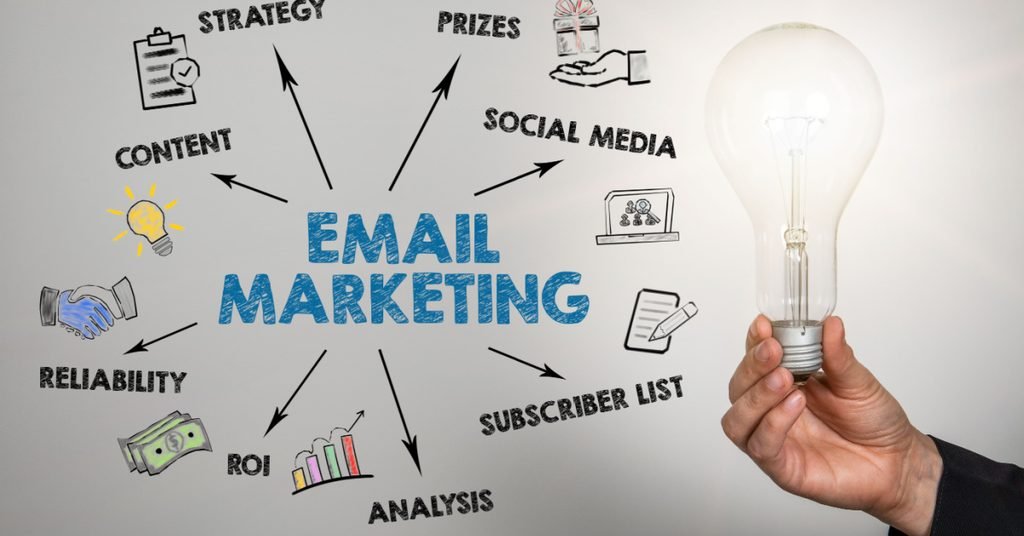
What Is Email Marketing?
Email Marketing is a digital marketing method that involves sending emails to a group of people to promote products, share information, build relationships, and encourage customer actions.
Businesses use email marketing to send newsletters, product announcements, special discounts, welcome messages, event invitations, and promotional campaigns.
For example, an online clothing store can send emails about new collections, seasonal discounts, fashion trends, and exclusive offers to its subscribers.
The main goal of email marketing is to communicate with customers, build brand trust, generate leads, and increase sales.
Why Is Email Marketing Important for Businesses?
Email marketing is an important part of digital marketing because it gives businesses a direct way to communicate with their customers.
Here are some major benefits:
- Direct Communication: Connect with customers through their email inboxes.
- Cost-Effective Marketing: Promote products and services without spending heavily on advertising.
- Lead Generation: Attract potential customers through newsletter subscriptions and sign-up forms.
- Customer Engagement: Keep your audience informed through regular updates and useful information.
- Personalized Communication: Send relevant messages according to customer interests and behaviour.
- Increase Sales: Promote products, services, and special offers to encourage purchases.
- Build Customer Loyalty: Maintain relationships with existing customers through regular communication.
- Track Performance: Measure email opens, clicks, conversions, and other important metrics.
10 Powerful Email Marketing Strategies to Grow Your Business
1. Build a Quality Email List
Building a quality email list is the first step towards successful email marketing. An email list contains the email addresses of people who have voluntarily subscribed to receive updates from your business.
You can collect email addresses through:
- Website subscription forms.
- Newsletter sign-up pages.
- Free downloadable guides.
- Special offers and discounts.
- Webinar registrations.
- Customer account registrations.
Always collect email addresses with proper permission. Avoid purchasing email lists because they can damage your sender reputation and lead to spam complaints.
2. Understand Your Target Audience
Understanding your target audience helps you send relevant and useful emails.
Before creating an email campaign, identify your customers’ interests, age groups, preferences, purchasing habits, and requirements.
For example, if you run a jewellery business, your audience may be interested in bridal jewellery, gemstone collections, festive offers, and jewellery care tips.
When you understand your audience, you can create email campaigns that match their needs and interests.
3. Write Attractive Email Subject Lines
An email subject line is the first thing recipients notice when they receive your email. An attractive subject line encourages people to open and read your message.
Follow these tips:
- Keep subject lines short and clear.
- Highlight the main benefit.
- Use action-oriented words.
- Make the message relevant to your audience.
- Avoid misleading statements and excessive promotional language.
Examples:
- Discover Our New Collection Today!
- Exclusive Offers Just for You.
- Learn the Best Digital Marketing Tips.
- Your Complete Guide to Business Growth.
4. Create Valuable and Engaging Email Content
Good email content helps businesses communicate their message effectively.
Your emails should provide useful information instead of focusing only on selling products.
You can share:
- Educational information.
- Product updates.
- Industry news.
- Special discounts.
- Helpful tips and guides.
- Customer success stories.
- Company announcements.
Use simple language, short paragraphs, and attractive visuals to make your emails easy to read.
5. Personalize Your Email Campaigns
Personalization means creating email messages according to individual customer information and preferences.
Instead of sending the same generic email to everyone, use relevant details to make your communication more meaningful.
For example, you can personalize emails using:
- Customer names.
- Previous purchases.
- Product interests.
- Browsing preferences, where appropriately collected.
- Customer location, where relevant and permitted.
Personalized communication can improve customer experience and make your emails more relevant.
6. Segment Your Email List
Email segmentation means dividing your subscribers into smaller groups based on their interests, preferences, location, or purchasing behaviour.
It helps businesses send the right message to the right audience.
For example, an online fashion store can create separate email groups for:
- New customers.
- Existing customers.
- Regular buyers.
- Customers interested in men’s fashion.
- Customers interested in women’s fashion.
Segmentation makes your email campaigns more targeted and relevant.
7. Make Your Emails Mobile-Friendly
Many people check their emails using smartphones. Therefore, your emails should look attractive and work properly on mobile devices.
Follow these simple practices:
- Use a responsive email design.
- Choose readable font sizes.
- Keep paragraphs short.
- Use clear images.
- Add easy-to-click buttons.
- Test your emails on different screen sizes.
A mobile-friendly email improves the reading experience and makes it easier for customers to interact with your business.
8. Use Email Automation
Email automation allows businesses to send emails automatically when subscribers perform specific actions or meet certain conditions.
For example, you can set up automated emails for:
- Welcome messages after newsletter registration.
- Order confirmation after a purchase.
- Birthday wishes and special offers.
- Abandoned cart reminders.
- Follow-up emails after a purchase.
- Re-engagement campaigns for inactive subscribers.
Automation saves time, improves communication, and helps businesses maintain consistent contact with customers.
9. Include a Strong Call-to-Action (CTA)
A Call-to-Action encourages readers to take a specific action after reading your email.
A good CTA should be clear, attractive, and relevant to your campaign.
Examples of effective CTAs include:
- Shop Now
- Learn More
- Read Our Latest Blog
- Explore Our Collection
- Register Today
- Get Your Free Guide
Place your CTA where readers can easily find it. Make sure the button leads to the correct website page.
10. Track and Analyze Email Marketing Performance
Tracking performance helps you understand whether your email marketing campaigns are successful.
You should regularly monitor these important metrics:
| Email Marketing Metric | Meaning |
|---|---|
| Open Rate | Percentage of delivered emails that were opened, where measurable |
| Click-Through Rate (CTR) | Percentage of delivered emails that received clicks |
| Conversion Rate | Percentage of recipients who completed a desired action |
| Bounce Rate | Percentage of emails that could not be delivered |
| Unsubscribe Rate | Percentage of subscribers who opted out |
| Spam Complaint Rate | Percentage of recipients who reported your email as spam |
Use these insights to improve your subject lines, email content, audience targeting, and campaign strategy.
Different Types of Email Marketing
Businesses use different types of email campaigns depending on their marketing goals.
1. Welcome Emails
Welcome emails are sent to new subscribers after they join an email list. They introduce your brand and explain what subscribers can expect.
2. Promotional Emails
Promotional emails inform customers about discounts, special offers, product launches, and seasonal sales.
3. Newsletter Emails
Newsletters share regular updates, educational articles, company news, and useful information with subscribers.
4. Transactional Emails
Transactional emails provide important information about customer activities, such as order confirmations, payment receipts, and shipping updates.
5. Re-engagement Emails
Re-engagement emails are sent to inactive subscribers to encourage them to interact with your brand again.
Best Email Marketing Tools
Email marketing tools help businesses create campaigns, manage subscribers, automate emails, and track performance.
| Tool | Main Purpose |
|---|---|
| Mailchimp | Email campaigns and automation |
| Brevo | Email marketing and customer communication |
| MailerLite | Email newsletters and landing pages |
| HubSpot | Marketing automation and CRM |
| Constant Contact | Email campaigns and marketing management |
Choose a tool according to your business requirements, email list size, budget, and automation needs.
Common Email Marketing Mistakes to Avoid
Many businesses make mistakes that reduce the effectiveness of their email campaigns.
Here are some common mistakes you should avoid:
- Sending emails without subscriber permission.
- Using boring or misleading subject lines.
- Sending too many promotional emails.
- Ignoring mobile-friendly email design.
- Not segmenting the email list.
- Sending irrelevant content.
- Forgetting to include a clear CTA.
- Ignoring email performance reports.
- Not providing an unsubscribe option.
- Using outdated or inactive email lists.
Avoiding these mistakes can help you build a healthy email list and create better customer experiences.
How to Create a Successful Email Marketing Strategy
Follow these five simple steps to create an effective email marketing plan.
- Set Clear Goals: Decide whether you want to generate leads, increase sales, promote products, or improve customer engagement.
- Build Your Email List: Collect email addresses from people who willingly subscribe to your updates.
- Plan Your Campaigns: Decide what type of emails you want to send and how frequently.
- Create and Send Emails: Write attractive subject lines, valuable content, and clear CTAs.
- Measure Your Results: Analyze campaign performance and make improvements.
Future of Email Marketing
Email marketing continues to evolve with new technologies and changing customer expectations. Businesses are adopting smarter ways to communicate with subscribers and deliver personalized experiences.
Some important email marketing trends include:
- AI-powered email personalization.
- Automated customer journeys.
- Interactive email designs.
- Behaviour-based email campaigns.
- Mobile-first email templates.
- Better audience segmentation.
- Privacy-focused email marketing.
Businesses that focus on relevant content, customer preferences, and responsible email practices can build stronger relationships with their audiences.
Frequently Asked Questions (FAQs)

1. What is email marketing in digital marketing?
Email marketing is a digital marketing strategy that involves sending emails to customers and subscribers to promote products, share information, generate leads, and build customer relationships.
2. What are the benefits of email marketing?
Email marketing helps businesses communicate directly with customers, increase brand awareness, promote products, generate leads, and improve customer loyalty.
3. Is email marketing free?
Some email marketing platforms offer free plans with limited features. However, advanced automation, larger subscriber lists, and premium features may require paid subscriptions.
4. Which email marketing tool is best for beginners?
Mailchimp, Brevo, and MailerLite are popular options for beginners. The best choice depends on your budget and marketing requirements.
5. What is email automation?
Email automation is the process of sending emails automatically based on specific customer actions, such as subscribing to a newsletter or making a purchase.
6. How often should businesses send marketing emails?
Businesses should send emails according to their audience’s preferences and campaign goals. Focus on sending useful content instead of sending too many emails.
7. How can I improve my email open rate?
You can improve email engagement by writing relevant subject lines, sending emails to interested subscribers, testing different sending times, and maintaining a quality email list.
Conclusion
Email Marketing is a powerful digital marketing strategy that helps businesses connect with customers, promote their products, and build long-term relationships.
By creating a quality email list, writing attractive subject lines, personalizing messages, using email automation, and tracking campaign performance, businesses can develop an effective email marketing strategy.
Whether you are a beginner, small business owner, or digital marketer, learning email marketing can help you improve your marketing skills and achieve better business results.
Start implementing these 10 powerful email marketing strategies today and take your business towards successful digital growth.